If you want to catch the best free performance of the year, you have to be awake for it, and it starts earlier than almost anyone is willing to get up.
In spring and early summer, in the half hour before sunrise, songbirds begin to sing more or less all at once. It builds from one or two voices into a wall of sound, then fades as the sun climbs and the day gets going. This is the dawn chorus. Once you have heard it properly, you will wonder how you slept through it for so many years.
The obvious question is why. Why sing in the dark, before you have even had breakfast, when you could be saving your energy?
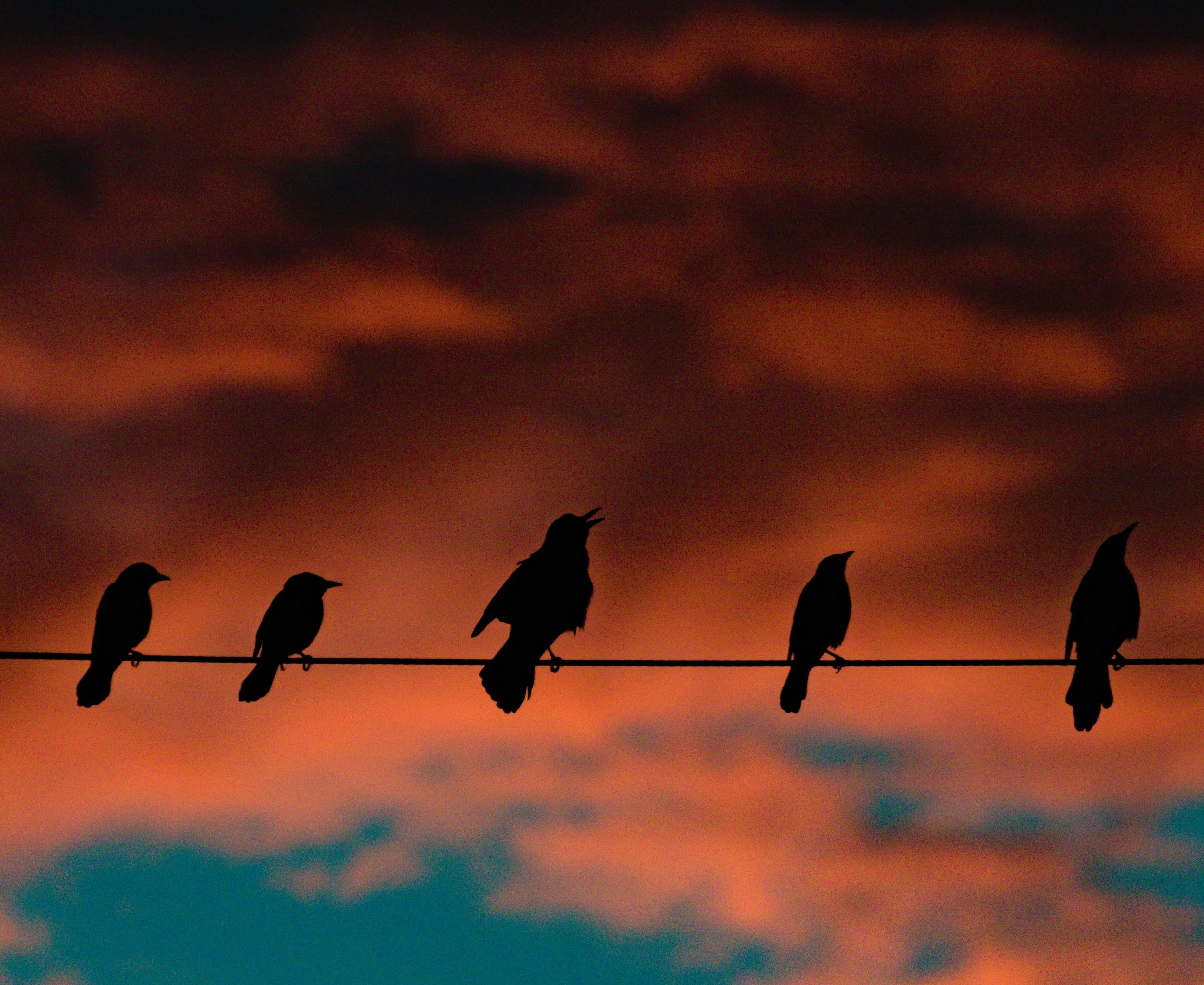
"Somewhere, always, the sun is rising, and somewhere, always, the birds are singing."
— Donald Kroodsma, The Singing Life of Birds
Scientists have a few answers, and they probably all matter at once.
The first is sound itself. In the still, cool air of early morning, before the wind gets up and the heat of the day starts to make the air churn, sound carries further and stays clearer. A song sung at first light reaches more listeners, and reaches them sharply. If you are a small bird trying to be heard across a stretch of gardens or woodland, that early window is the best broadcasting slot of the day.
The second is timing. Hunting for insects in poor light is slow, frustrating work. It is hard to spot a small moving meal before the sun is properly up, so the early morning is not much good for feeding anyway. It is, though, an excellent time for the other big job: singing to hold a territory and attract a mate. The birds are spending the worst hour for eating on their best hour of advertising.
The third answer is the one I find most moving. Singing loudly at the first hint of light is a way of announcing that you made it through. The night is dangerous for a small bird: cold, predators, the constant edge of hunger. A male who can pour out a strong, complicated song the moment the sky pales is saying, in effect, I survived again, I am fit and well fed, and I am still here. The females are listening. So are the rivals.
There is even an order to it. Some species reliably strike up before others, and one likely reason is the size of their eyes. Birds with larger eyes gather light better and can get going in darker conditions, so they tend to open the proceedings while the smaller-eyed birds wait for a little more light. The chorus is less a free-for-all than a rolling start.
Here is how to hear it, and you only need to do this once to be hooked. Pick a morning in spring and set an alarm for about half an hour before sunrise. Open a window, or step outside if you can, and listen. Do not worry about naming anything. The trick is to pull a single voice out of the crowd and follow it for a minute, then find another. You are not trying to identify the birds. You are trying to notice that there were always this many of them, doing this every single morning, whether you were listening or not.
That, to me, is the whole point of paying attention. The remarkable thing was never far away. It was just happening while we were asleep.
